Desktop PCs, workstations, and servers share many common aspects, one of which is the CPU is nearly always mounted in a mechanical socket. However, when it comes to big AI servers, especially those using Nvidia chips, there isn't a socket in sight, making upgrades or repairs more complicated. According to one report, though, Nvidia could well change its mind on that.
The report in question comes from (via ) which claims that for its next series of chips, the B300 lineup, Nvidia will switch from using directly mounted processors to a socketed design. Although the former provides the best possible performance, it does make maintenance and general servicing a pain in the neck.
You might then wonder why not have the GPU and VRAM both socketed, just as with the CPU and system memory in your desktop PC. Apart from reducing the overall performance of the graphics card's memory system, it would increase the cost of manufacturing the card.
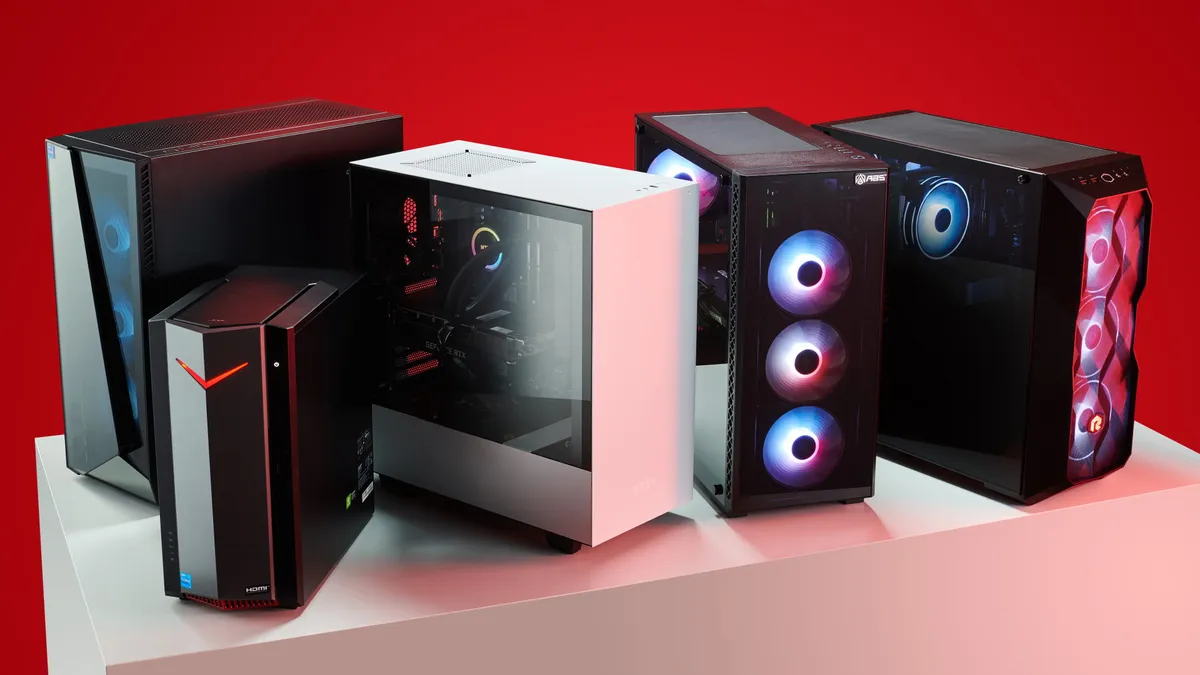
: The top [[link]] pre-built machines.
: Great devices for mobile gaming.
Given how expensive they are these days, I'm not sure anyone would want to absorb that additional cost just to have the option to upgrade the GPU and RAM while keeping the same circuit board. Memory slots in motherboards follow an agreed standard, too, and CPUs are designed around that standard.
Nothing like this exists for GPUs and I can't see AMD, Intel, and Nvidia ever agreeing on a VRAM socket design. It would also make GPUs unnecessarily complicated, too.
If you look at every , they all have a dual channel 128-bit wide memory controller in them, whereas Nvidia's current of GPUs range from 96-bits through to 384-bits. Accommodating all that in a socket system is just too complex and thus too expensive.
Perhaps one day, in the [[link]] dim and distant future, we'll get discrete GPUs in a socket but for now, it's only the humble CPU and cash-cow AI chips that are.